Build a Portable Snack Kit for Work and Travel
Why a Portable Snack Kit Matters
Between meetings, long commutes, and road trips, hunger can strike at the worst moment. Relying on vending machine options or skipping a meal often leads to low energy and poor food choices. A portable snack kit solves this by giving you control over what you eat, when you eat, and how much you eat. With a little planning, you can keep a small stash of satisfying, shelf-stable snacks in your backpack, desk drawer, or lunch bag without worrying about spoilage or mess.
The idea is simple: assemble a few individually wrapped or portioned snacks that travel well, then grab the kit when you head out the door. You can tailor it to your taste and dietary needs, and refresh it weekly. The result is a reliable way to manage between-meal hunger without resorting to sugary or greasy convenience foods.
Step 1: Choose Your Container
Start with a container that fits your routine. A small fabric pouch, a hard-sided lunch box, or even a dedicated compartment in your backpack works well. The key is size: it should be compact enough to carry easily but large enough to hold a few days' worth of snacks. A container about the size of a paperback book is a good starting point.
Watch for durability. If you toss the kit into a bag or jam it into a crowded drawer, a flimsy plastic box may crack. Look for something with a zipper or a secure latch so nothing spills. A soft-sided cooler bag can also work if you sometimes include items that need to stay cool, like a small yogurt tube or cheese stick, but most of your snacks will be fine at room temperature.
Step 2: Pick Your Snack Categories
A balanced kit covers a few bases: something crunchy, something chewy or filling, something sweet, and something salty or savory. This variety keeps you from getting bored and helps satisfy different cravings.

For the crunchy category, think nuts, seeds, or whole-grain crackers. For something chewy, dried fruit, jerky, or a soft-baked snack works well. Sweet options can include dark chocolate squares or a small cookie, while savory might be roasted chickpeas or seasoned almonds. The goal is to have at least two items from each category so you can mix and match.
Watch for packaging that is easy to open on the go. Individually wrapped items are ideal. Avoid anything that requires a knife, a bowl, or refrigeration. If you include a spread like peanut butter, buy single-serve packets rather than a jar.
Step 3: Focus on Shelf Stability
Shelf stability is what makes a snack kit practical. Items that stay fresh for weeks without special storage let you keep the kit stocked and ready. Dry goods are your friends: nuts, seeds, crackers, dried fruit, granola bars, and wafer snacks all hold up well. Hard cheeses like cheddar or gouda can last a day or two if kept cool, but for a kit you refill weekly, stick with non-perishables.
Watch for temperature sensitivity. Chocolate can melt in a hot car, and some granola bars become sticky in heat. If you live in a warm climate or your kit will sit in a car, choose snacks with higher melting points or store the kit in an insulated compartment. Likewise, avoid items that can go stale quickly once opened, such as soft crackers, unless you eat them within a day or two.
Step 4: Practice Portion Control
Portion control is the difference between a snack and a meal. A kit that holds a handful of almonds, a few dried apricots, and a small cookie is enough to tide you over until lunch or dinner. If you pack too much, you may overeat or find yourself carrying around a heavy bag.
Watch for packaging that makes portion control easy. Pre-portioned bags of nuts or trail mix are convenient, but you can also buy in bulk and divide into small reusable containers or snack-size zip-top bags. Labeling each container with the contents and date helps you rotate stock and avoid old snacks.
Step 5: Include a Sweet Option That Travels Well
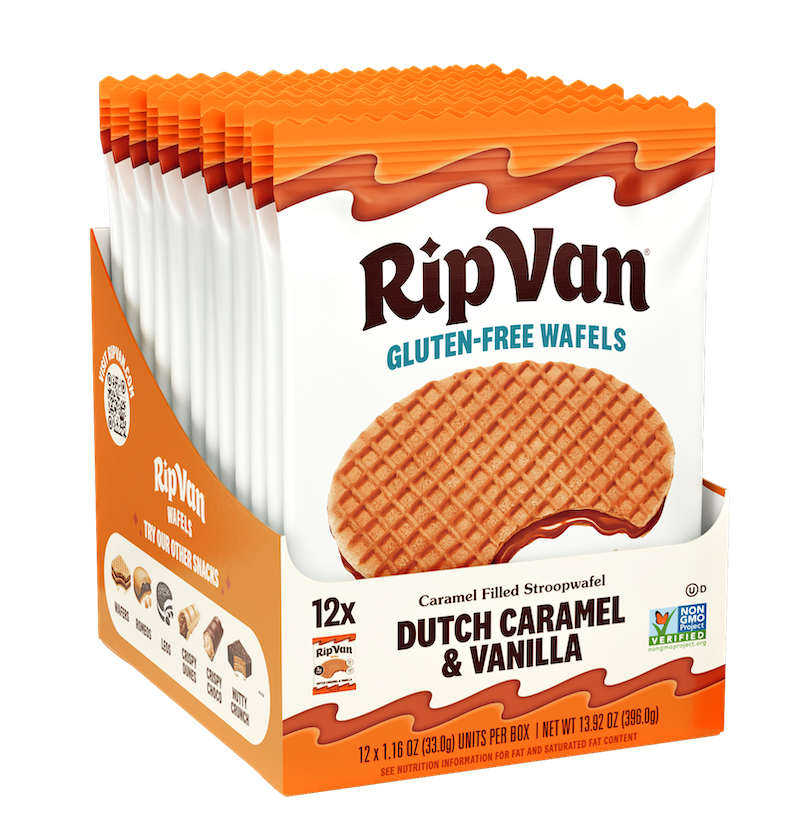
Everyone needs a little sweetness now and then. The challenge is finding something that does not melt, crumble, or get crushed. Cookies and soft-baked snacks can break in a bag, while chocolate bars can turn into a mess. A good solution is a firm, chewy wafer that holds its shape and stays intact even when jostled around in a backpack or desk drawer.
This is where portable stroopwafels come into the picture. These Dutch-style wafer snacks have a chewy center and a crisp exterior, so they survive travel well. They are individually wrapped, which keeps them fresh and makes portion control simple. One or two can satisfy a sweet craving without loading up on sugar, and their texture adds a pleasant break from nuts or crackers. Including such an option in your kit gives you a treat that feels indulgent but is still practical for on-the-go eating.
Step 6: Pack for Different Scenarios
Your snack kit can adapt to where you are headed. For a day at the office, you might keep a separate stash in your desk drawer and a smaller grab-and-go pouch in your bag. For a road trip, you can enlarge the kit with extra water and more filling options like protein bars or nut butter packets.
Watch for variety across scenarios. If you are traveling by plane, avoid liquids and gels in your carry-on. Stick to dry snacks only. If you are hiking or biking, choose items that are lightweight and calorie-dense. For long flights, consider adding a piece of fruit like an apple or a banana, which you can eat before security or buy after passing through.
Step 7: Refresh and Rotate
A snack kit is not a set-it-and-forget-it system. Check it once a week. Remove anything that is close to its expiration date or looks stale. Replace items you have eaten. This keeps your kit reliable and ensures you always have something fresh to reach for.
Watch for signs of wear in the container itself. A torn pouch or a broken latch can lead to spills. If you notice crumbs or dust inside, wipe it out before refilling. A clean kit is more pleasant to use and keeps your snacks from picking up off-flavors.
Making It Your Own
The beauty of a portable snack kit is its flexibility. You can adjust it to fit your dietary preferences, whether that means more protein, lower sugar, or gluten-free options. The same container that holds nuts and dried fruit one week can hold crackers and cheese the next. The key is to keep it stocked with items you actually like and will eat, so it becomes a habit rather than a chore.
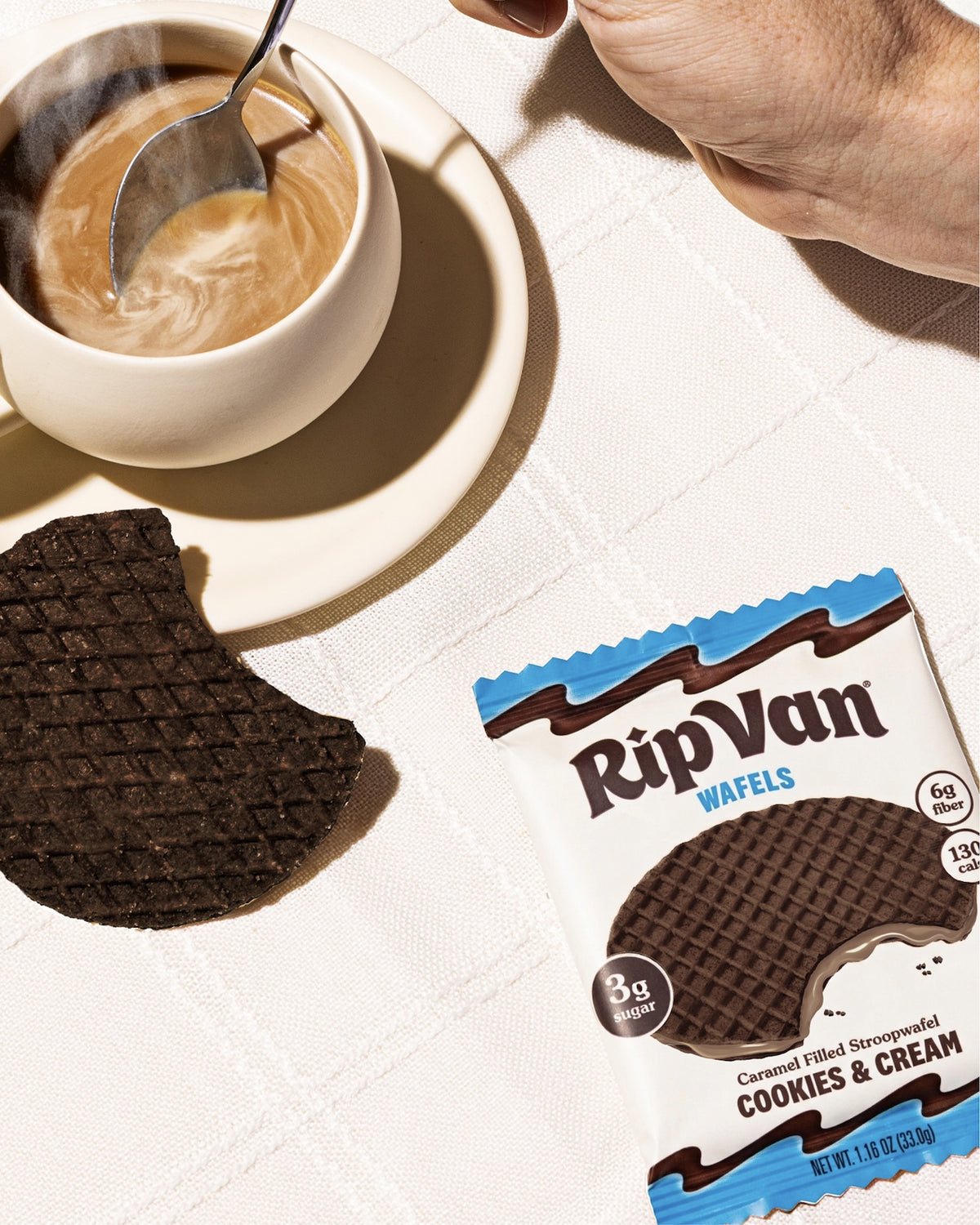
For anyone who often finds themselves hungry between meals or on the go, a small stash of portable stroopwafels and other shelf-stable snacks can be a game-changer. It turns a moment of weakness into a quick, satisfying break. With just a little upfront effort, you can build a kit that makes your workday or travel smoother and more enjoyable.